Across the livestock industry, labour shortages have shifted from seasonal concerns to long-term operational realities. Many ranches are managing larger herds, more infrastructure, and more land with fewer people than ever before.
Tasks that once depended on full crews — fence maintenance, herd movement, rotational grazing, monitoring livestock distribution — are becoming harder to sustain consistently.
This is where virtual fencing is changing the economics of ranch management.
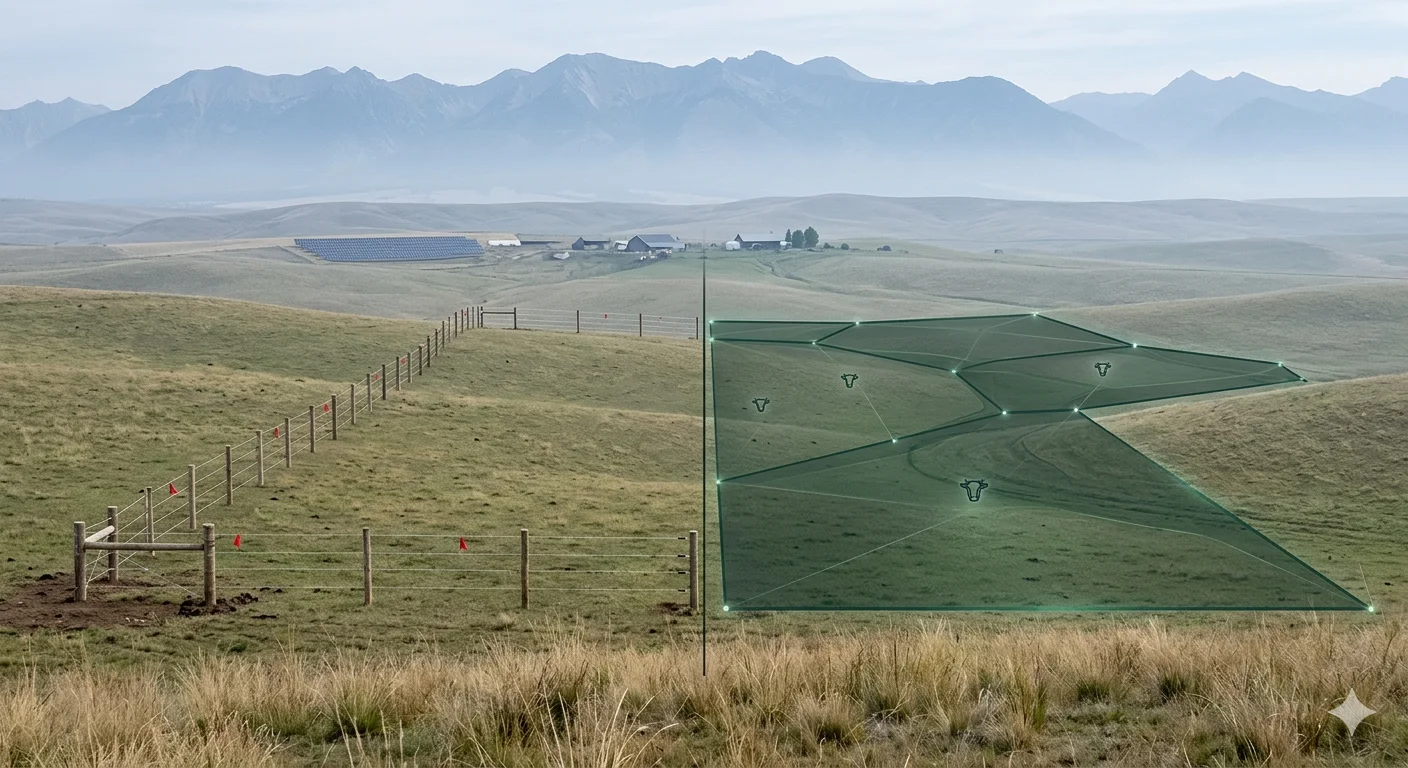
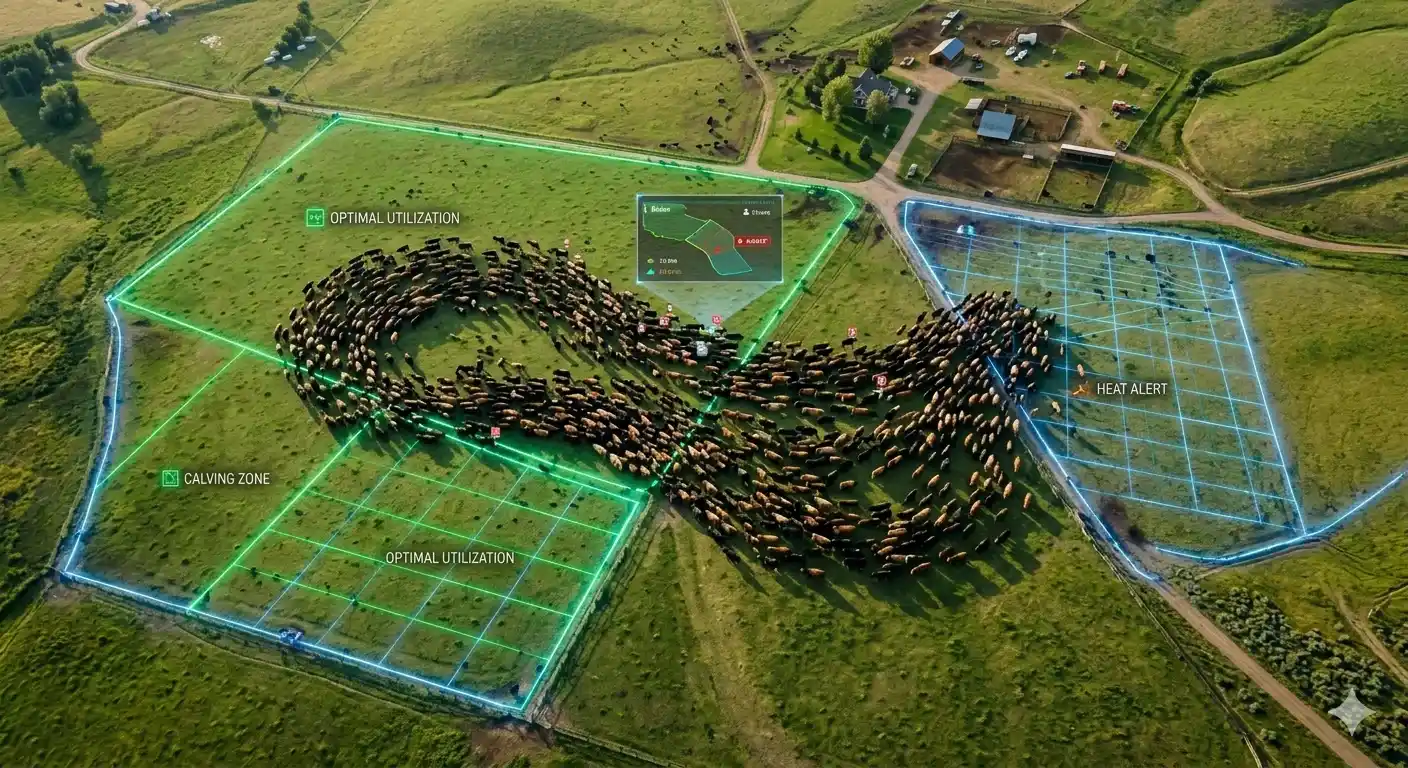
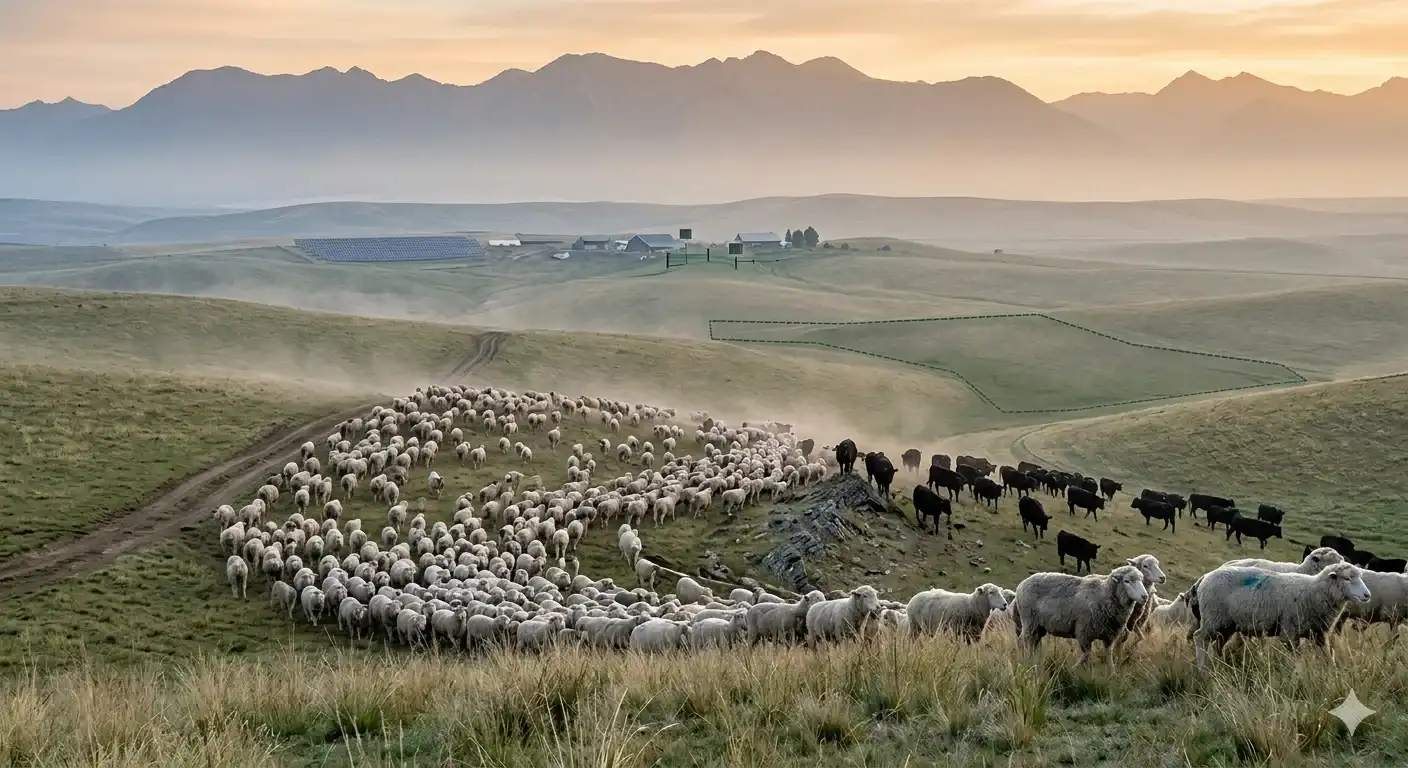
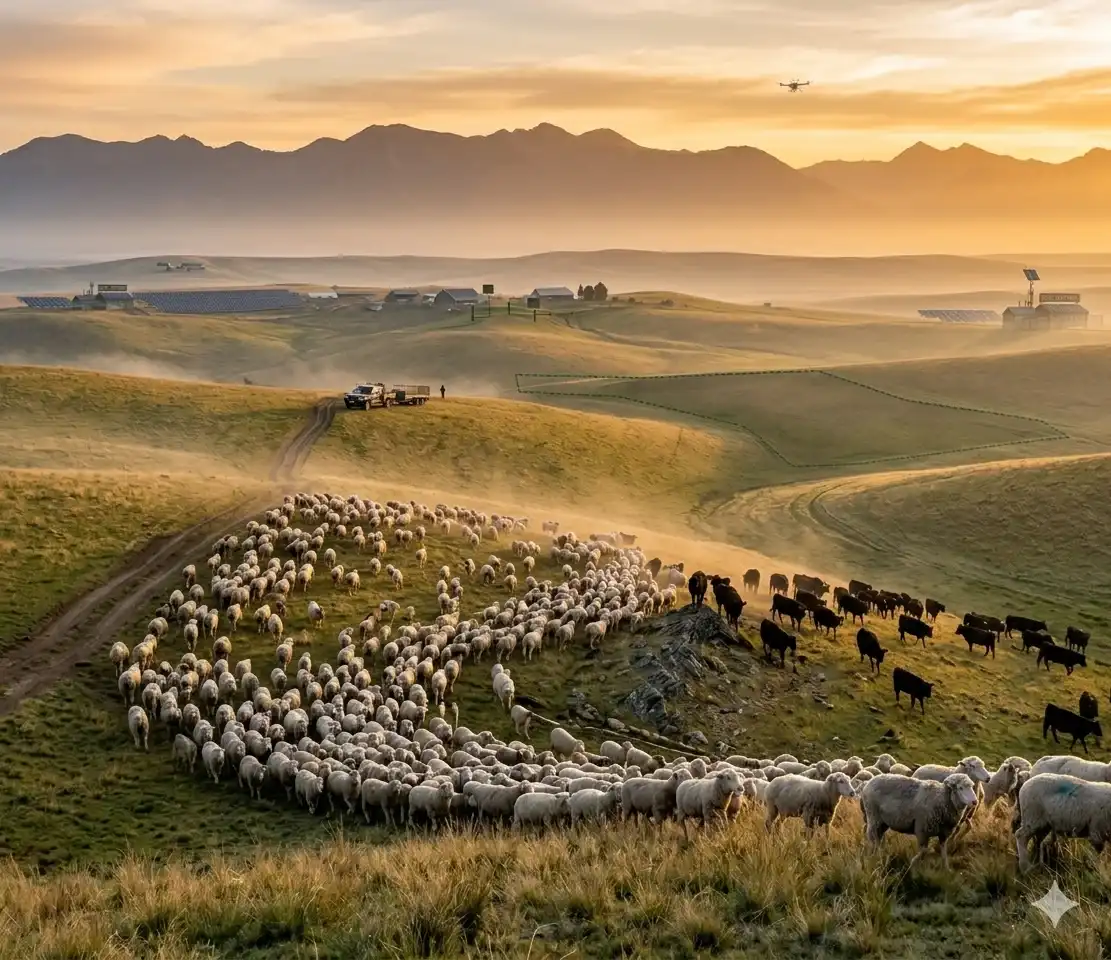
By reducing the need for constant physical fence adjustments and manual livestock movement, virtual fencing allows operations to manage grazing systems more efficiently with smaller teams. Rotational schedules can be adjusted digitally, containment areas modified remotely, and herd movement monitored with greater visibility.
The goal is not to remove people from ranching. It is to reduce repetitive physical workload and help operations focus labour where it matters most.
For many producers, the value of virtual fencing is not simply convenience — it is operational resilience. As labour availability becomes increasingly unpredictable, systems that reduce dependency on manual infrastructure management are becoming essential for long-term scalability.
Virtual fencing represents a shift toward more adaptive ranch operations designed for modern agricultural realities.