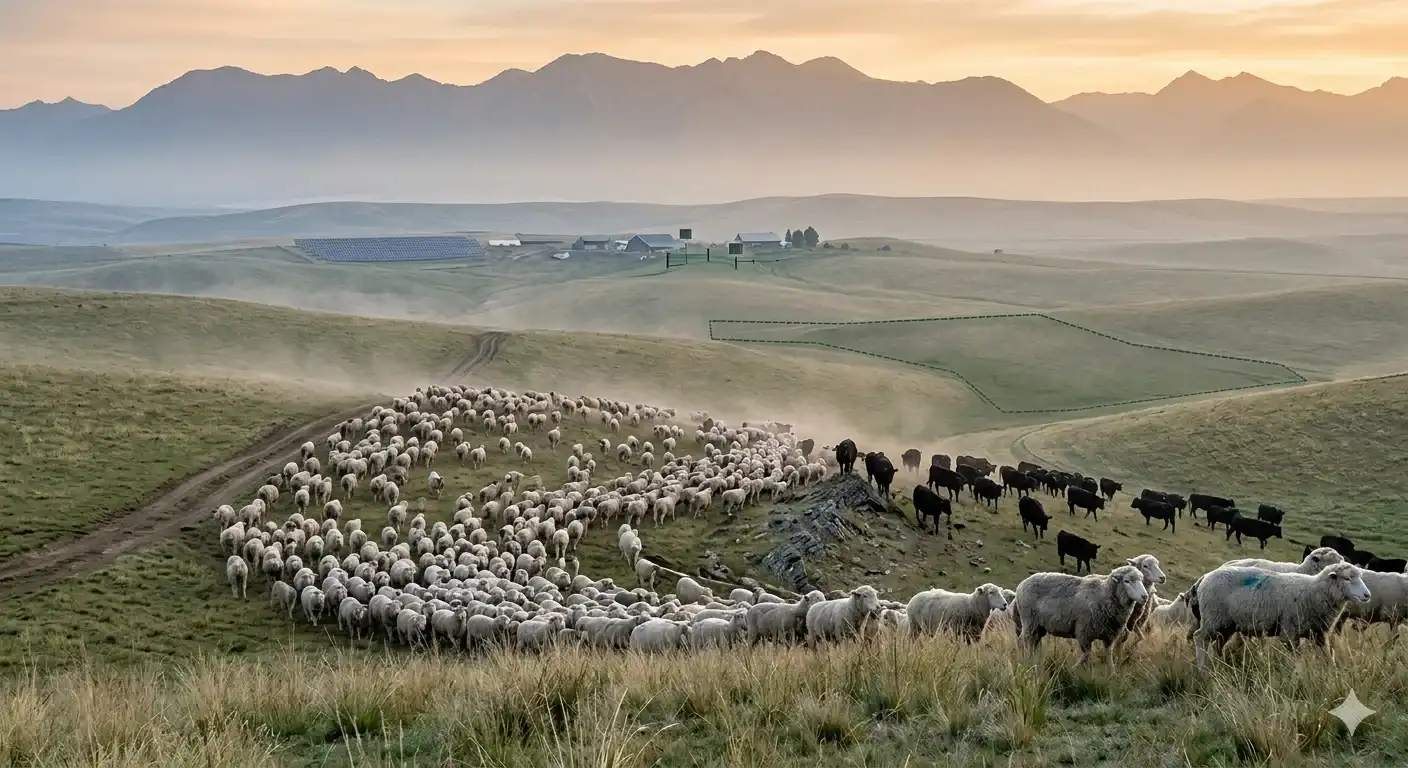
Sheep and mixed grazing operations require constant coordination between species, paddocks, pasture recovery, and seasonal grazing strategies. Managing these systems manually becomes increasingly difficult as operations expand across larger and more remote grazing areas.
Traditional fencing systems were never designed for dynamic multi-species management. Different livestock groups often require different grazing schedules, movement timing, and pasture allocation strategies. Add labour shortages and predator pressure into the equation, and the operational complexity increases quickly.
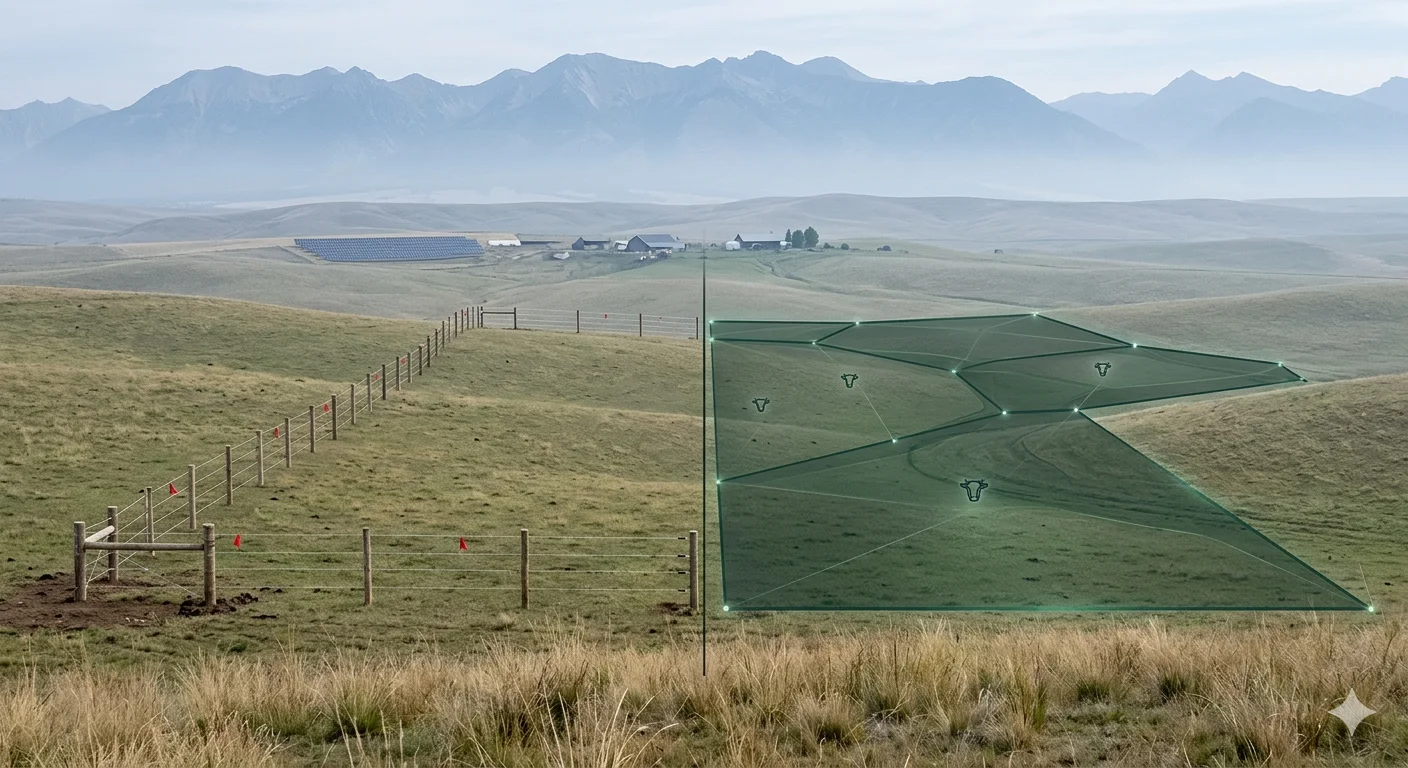
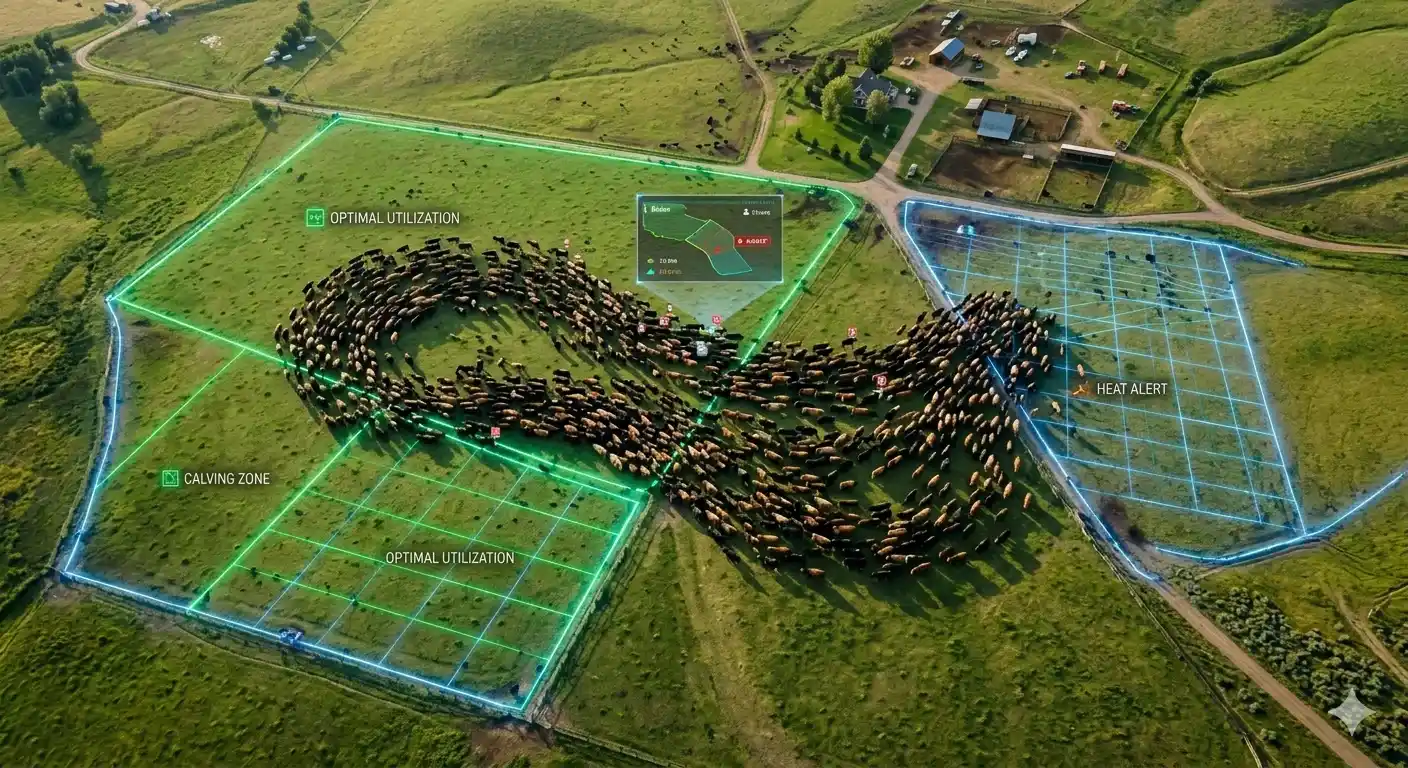
Virtual fencing introduces more adaptable grazing management. Producers can create flexible grazing zones, separate livestock groups more efficiently, and adjust pasture allocation without relying entirely on physical infrastructure changes.
This flexibility becomes particularly valuable during lambing periods, seasonal pasture changes, or when managing crossbred operations with varying grazing behaviour and nutritional requirements.
Improved livestock visibility also helps reduce uncertainty across large open pasture systems. Producers can better understand animal distribution, movement patterns, and paddock utilization without physically checking every section of the property multiple times a day.
As mixed grazing systems continue evolving, virtual fencing is becoming less about technology adoption and more about operational scalability.