Most grazing producers understand the value of rotational grazing. Healthier pasture recovery, improved forage utilization, better soil performance, and stronger herd distribution all contribute to long-term operational sustainability.
The challenge is execution.
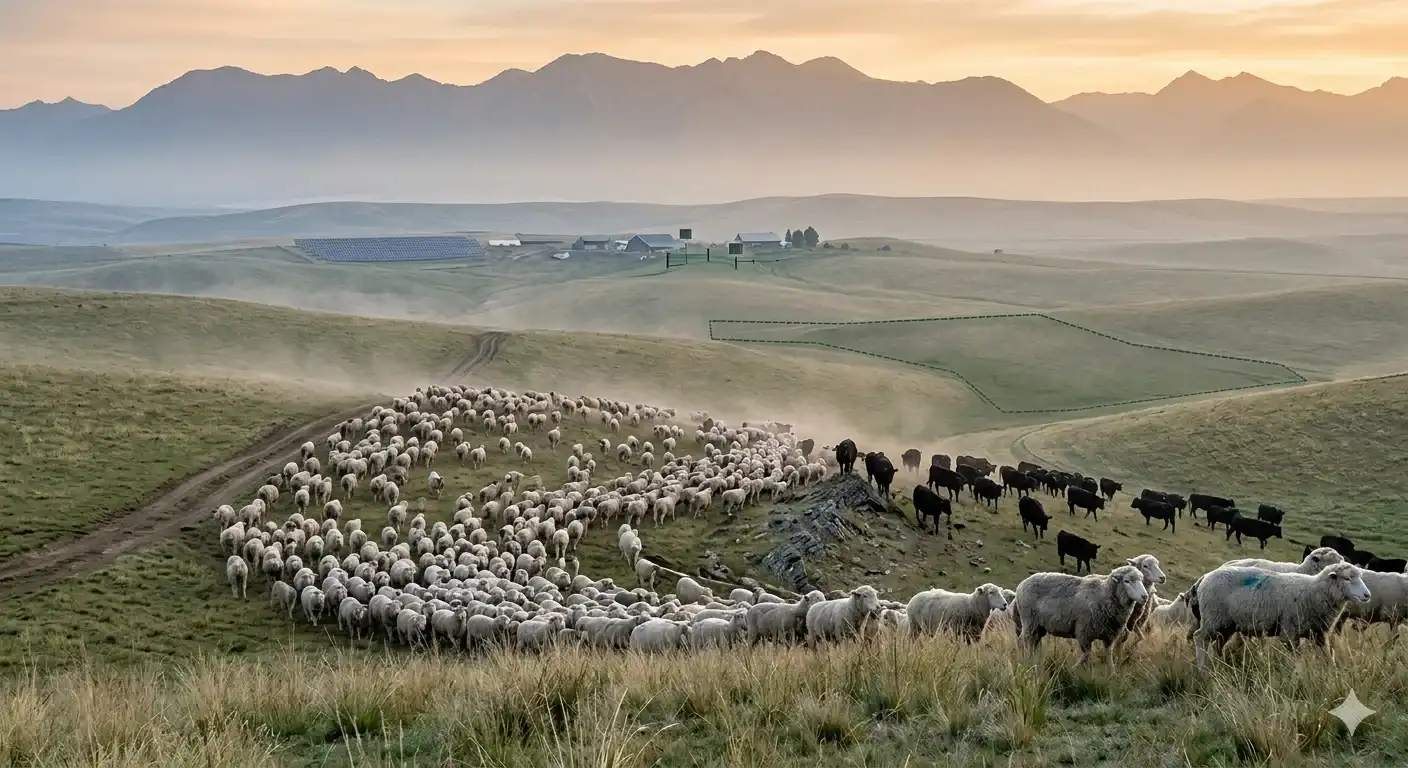
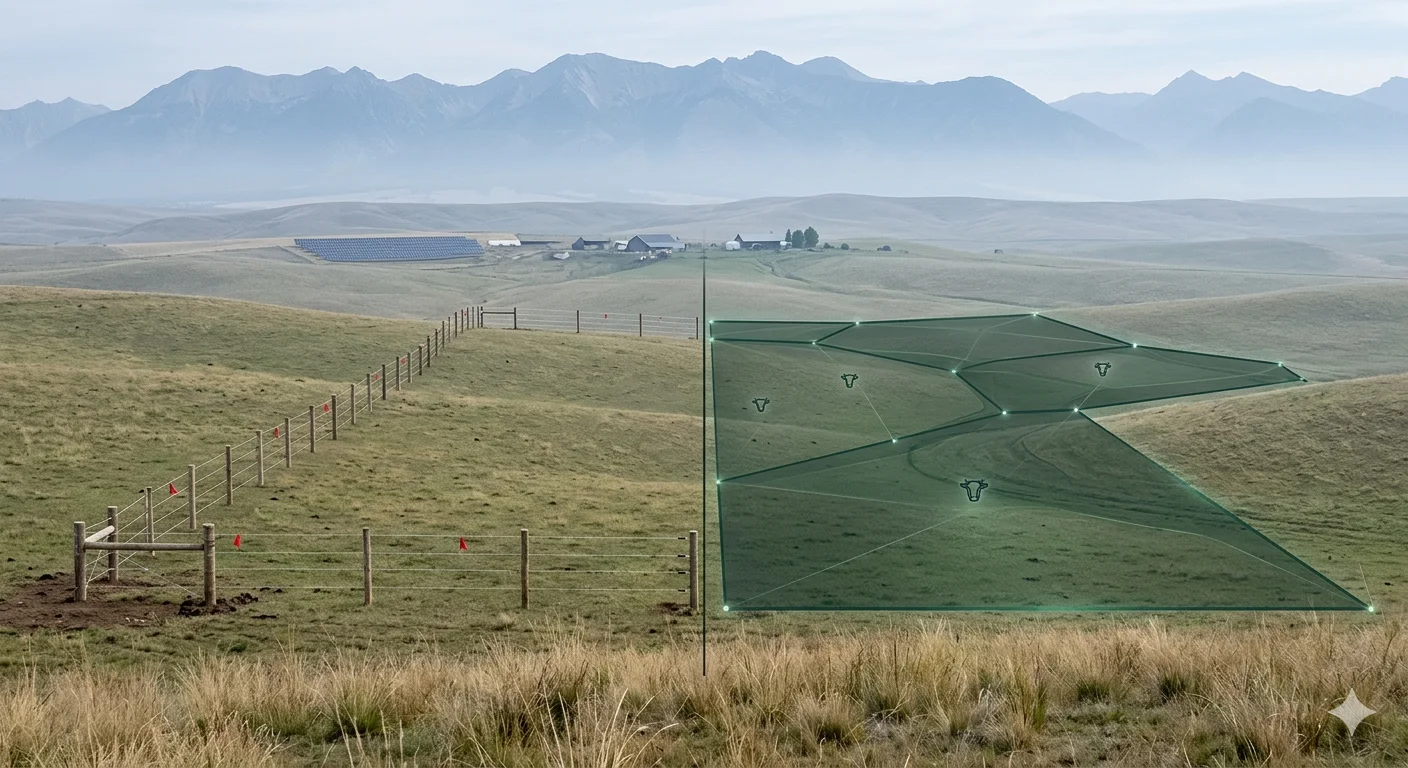
Traditional rotational systems often require constant fence adjustments, manual livestock movement, and hours of labour every week. On large properties, moving temporary fences across multiple paddocks can become physically demanding and difficult to maintain consistently, especially with limited staff.
As a result, many operations rotate less frequently than they ideally should.
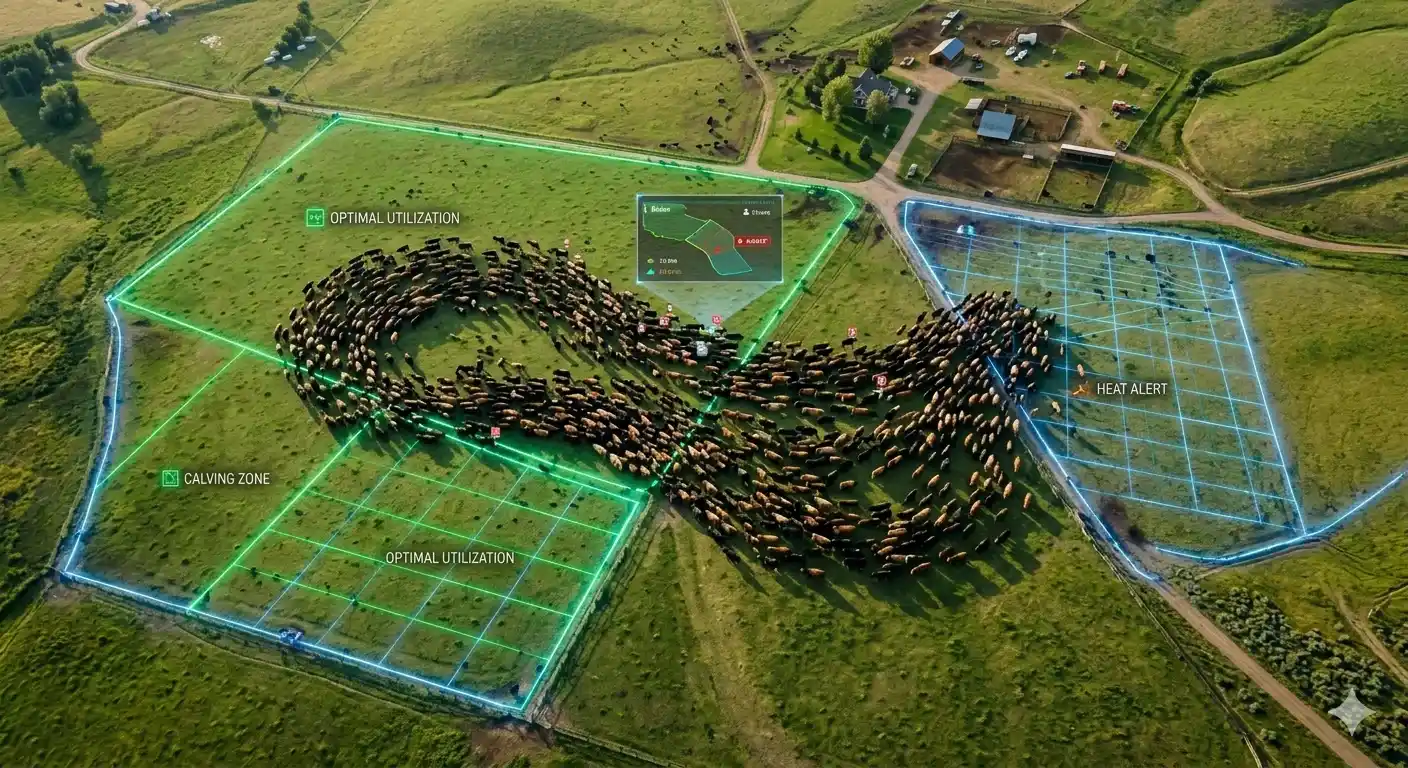
Virtual fencing changes the operational model. Producers can schedule or adjust grazing boundaries digitally, allowing livestock movement to happen with significantly less manual intervention. Instead of spending hours relocating physical fence systems, teams can focus on pasture management, herd oversight, and broader operational priorities.
The result is not only reduced labour pressure but also more consistent rotational practices. Better grazing timing improves pasture longevity, reduces overgrazing risk, and supports healthier land utilization over time.
For operations balancing labour shortages, rising costs, and expanding acreage, virtual fencing provides a way to maintain effective rotational grazing without the same level of physical exhaustion.