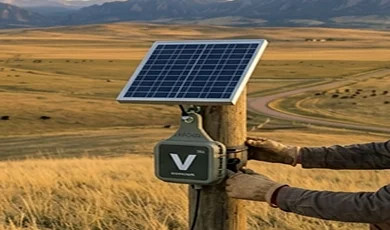
We build the tools we wished we'd had.

SGuard exists because three of our founders ran cattle, two ran sheep, and all of us spent too many hours doing work that didn’t need to be done by a human. The technology took ten years. The reasons took a lifetime.

✦ ORIGIN STORY

It all began with a problem...

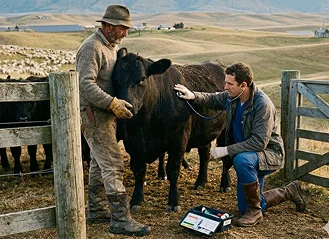
SGuard started in 2018 in a kitchen on a 4,000-acre cattle station in Otago, New Zealand. The founders had been arguing for two years about why the operation that fed three families couldn’t keep ranch hands for more than a season. The numbers didn’t work. The hours were brutal. And the technology that should have helped — telemetry tags, cellular fence sensors, GPS trackers — all came with the same fundamental problem: they reported what had already gone wrong, instead of preventing it.


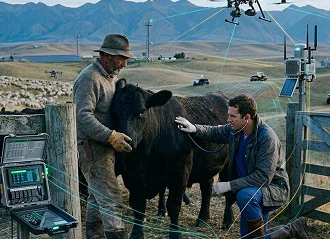
The shift in thinking was simple. Build a system that managed the herd instead of monitoring it. Move the intelligence to the collar instead of the fence. Use audio cues that animals could learn, not electrical shocks they could only endure. And accept that the cellular network would never reach the back paddock, so the collar needed to think for itself.


That kitchen conversation became three founding engineers, then twelve, then the current team of 47 across four offices. The first commercial deployment was a 600-head sheep operation in Wales in 2021. The first cattle deployment was a 1,200-head Black Angus ranch in Nebraska in 2022. We’re now on most continents that run pastoral livestock.

The technology took ten years. The reasons started long before that.
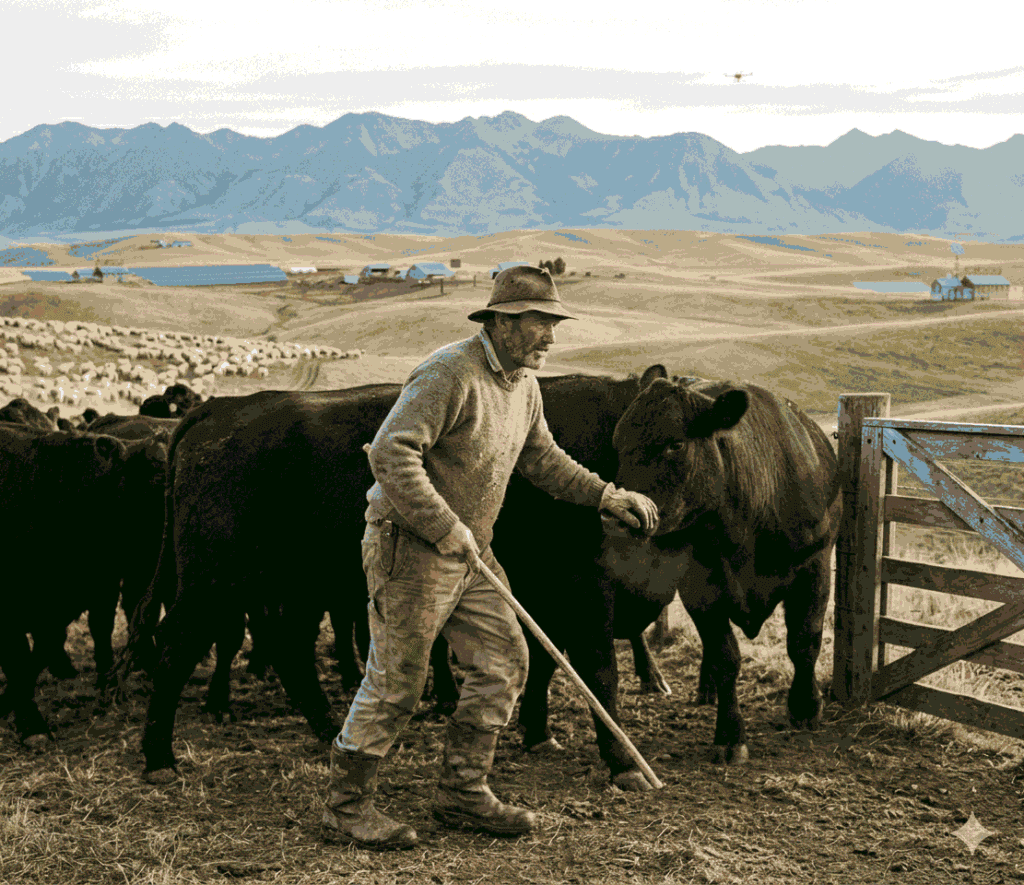
ORIGIN STORY

✦ THE PEOPLE BEHIND IT

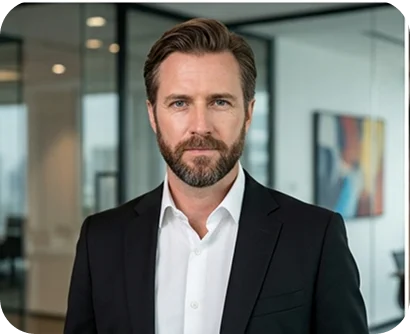
The people who build it.

Founders, engineers, welfare scientists, and the field team that keeps us honest. Listed in roughly the order we hire when we’re growing.

PEOPLE BEHIND IT1
PEOPLE BEHIND IT2
PEOPLE BEHIND IT3
PEOPLE BEHIND IT4
PEOPLE BEHIND IT5

✦ WHAT WE WORK BY

Four operating principles.

Animal welfare is not negotiable

Audio cue first, pulse rarely, independent welfare review before every protocol change. We’ve turned down product features that would have generated revenue but compromised this principle. We’ll turn down more.

WHAT WE WORK BY2

Engineering rigour over launch dates

The current production collar took eight prototype generations and two years of field testing in three climates before it shipped. We’d rather miss a deadline than ship hardware that fails in winter.

WHAT WE WORK BY3

Farmer-first design

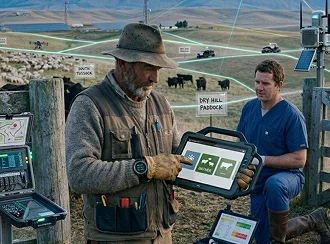
Every UI decision is reviewed by an active operator before it ships. The platform doesn’t have features we couldn’t explain to someone working a paddock with cold hands. The dashboard runs on a 2017 smartphone because not every customer has the latest device.

cattle & sheep op

Honest reporting

Customer outcomes are anonymized and aggregated, but we don’t cherry-pick. The case studies we publish include the ones where things took longer than expected, and the comparison matrix we maintain is updated when we learn we were wrong about a competitor.

Tell us about your operation. We'll show you the rest.

A 30-minute call with someone who has actually walked a farm. No slide deck — we’ll open the platform on your block.